In short
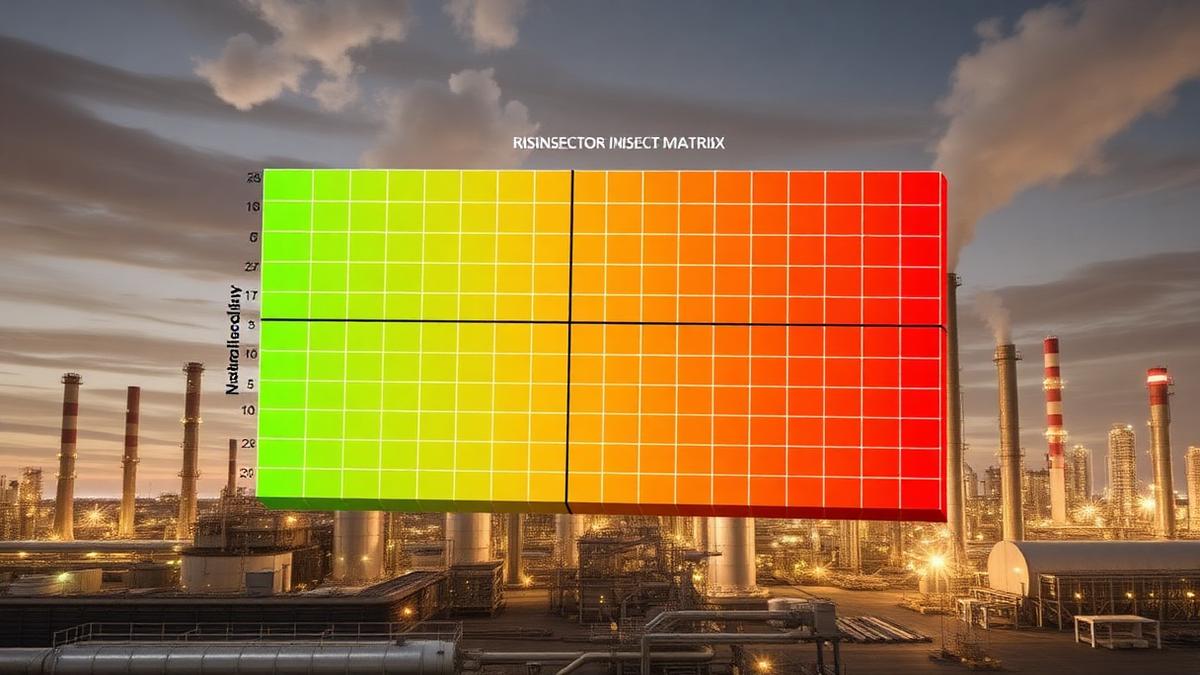
Risk-based inspection (RBI) is a methodology that prioritizes inspection activities based on the probability and consequence of equipment failure. Instead of inspecting every asset on a fixed schedule, RBI directs effort toward the equipment where failure would matter most — improving safety while reducing unnecessary inspection cost.
Why fixed inspection intervals fall short
Traditional inspection programmes treat every asset alike: the same interval, the same coverage, regardless of how the equipment actually degrades. The result is predictable — low-risk assets consume inspection budget while genuinely deteriorating equipment waits in the queue.
Risk-based inspection inverts that logic. Inspection effort follows risk: the combination of how likely an asset is to fail and what happens if it does.
The two halves of risk
Probability of failure is driven by damage mechanisms — corrosion, erosion, fatigue, creep — and how fast they progress under actual operating conditions. Establishing it requires process data, materials knowledge and inspection history.
Consequence of failure considers safety, environmental and economic impact. A small leak in a benign water line and the same leak in a sour hydrocarbon service are entirely different events, and the risk ranking must reflect that.
- Probability of failure: damage mechanisms, rates, and inspection effectiveness
- Consequence of failure: safety, environment, production and cost
- Risk: the product that determines where inspection effort goes
From assessment to strategy
The output of an RBI assessment is not a report — it is an inspection strategy. Intervals, methods and coverage are matched to each asset's risk profile, and the plan is recalculated as new inspection data arrives.
Done well, RBI typically reduces total inspection scope while increasing confidence in the assets that remain. It also creates a defensible, documented rationale for regulators and insurers.
“Inspection effort should follow risk — not the calendar.”
Questions engineers ask
Is RBI only for pressure equipment?
No. While it is most established for pressure vessels and piping, the same probability-and-consequence logic applies to structures, tanks and other assets where degradation can be modelled.