In short
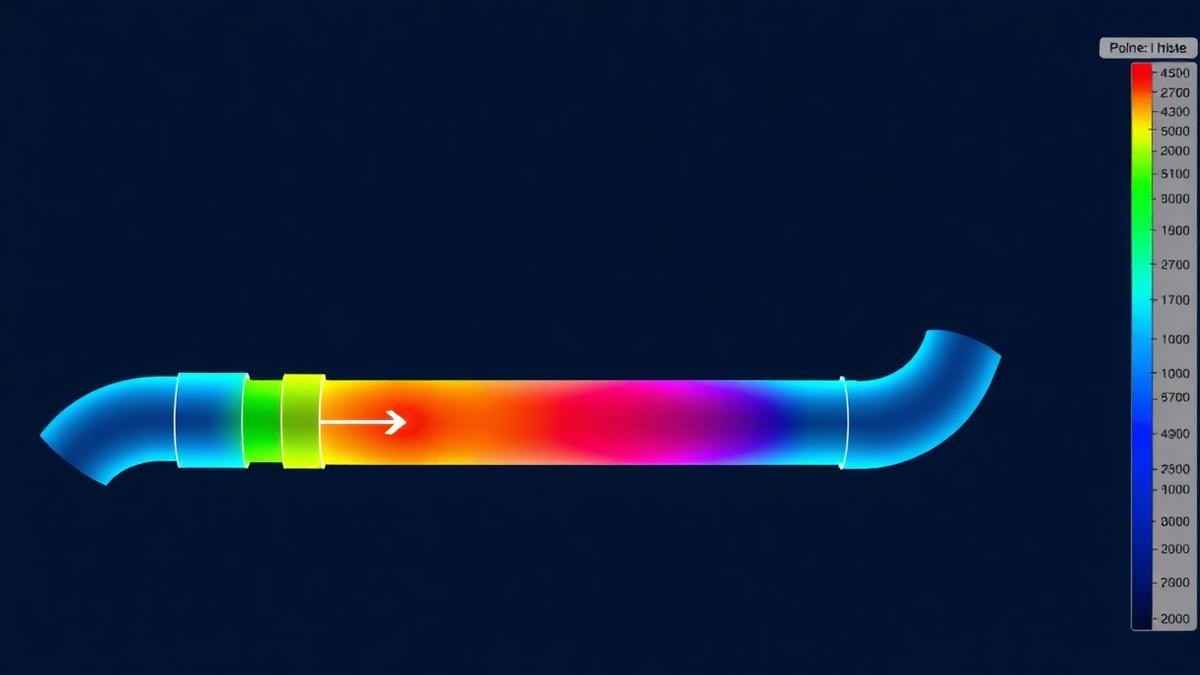
Pipe stress analysis evaluates how a piping system responds to weight, pressure, temperature and dynamic loads, checking stresses, support loads and equipment nozzle loads against code allowables. The goal is a system that is flexible enough to absorb thermal growth yet supported enough to control vibration and load transfer.
The three load families
Sustained loads — weight and pressure — act continuously and are checked against basic allowables. Expansion loads come from thermal growth between operating states; piping must flex to absorb them. Occasional loads — wind, seismic, relief discharge, water hammer — are rare but often govern support design.
Supports and equipment are the real story
Pipe wall stress rarely drives the outcome; supports and connected equipment do. A system can pass every stress check while overloading a pump nozzle or ripping out an anchor. Rigorous analysis reports loads at every restraint and connection — and the design iterates until those loads are acceptable to the equipment they land on.
When to analyse
Critical lines — high energy, large diameter, significant temperature change, sensitive equipment — warrant analysis by default. But any line where failure carries safety or production consequence deserves the same rigour. Analysis tools like AutoPIPE make that evaluation fast enough to apply broadly, not just where trouble is already visible.
“Piping rarely fails in the middle of a run. It fails at supports, nozzles and anchors.”