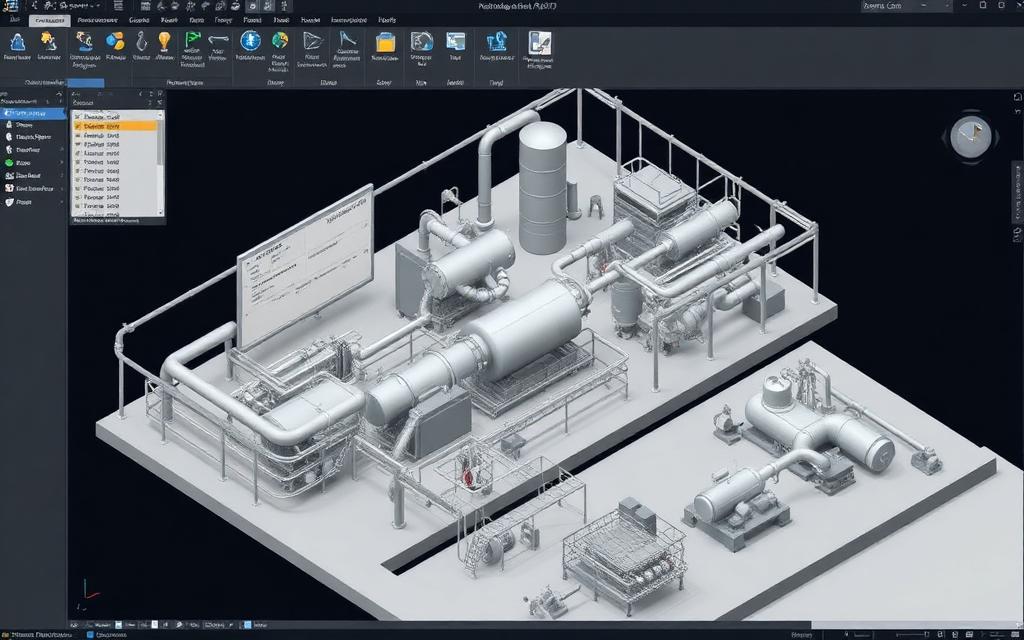









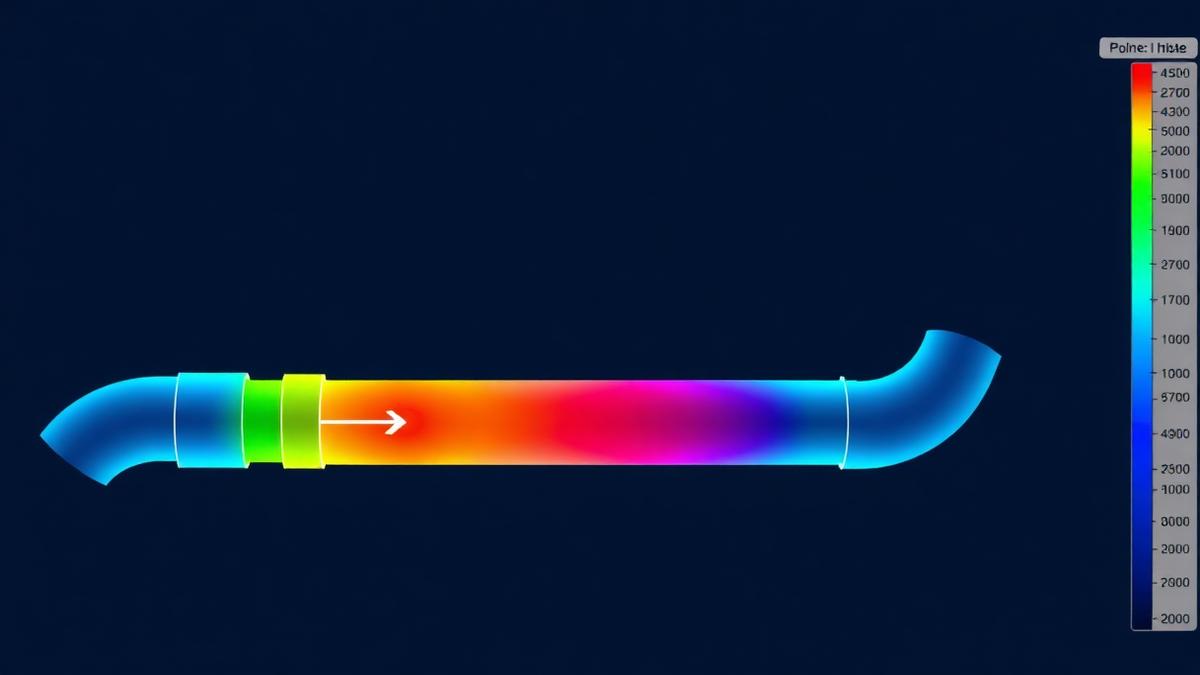
A pipe stress model that solves without warnings is not the same as a model that represents the system. Before trusting the results, it's worth checking a handful of things that quietly drive the answer.
1. Supports that are stiffer than reality
Default rigid restraints are convenient, but real supports have gaps, friction and flexibility. Over-restraining a thermally loaded line pushes load into nozzles and anchors and hides the movement you would see in the field.
2. Missing or optimistic friction
Sliding supports without friction can make expansion look easy. Adding realistic friction often changes support loads and redistributes stress around elbows and branch connections.
3. Equipment nozzles treated as anchors
Pumps, vessels and exchangers move with temperature and have allowable nozzle loads. Modelling the nozzle as a perfectly fixed point can give clean stress results and unacceptable equipment loads at the same time.
4. Load cases that don't match operation
Start-up, upset, cold spring, wind, seismic and occasional loads all belong in the case set when the system sees them. A model that only checks sustained and a single operating case leaves gaps.
5. Results nobody has sanity-checked
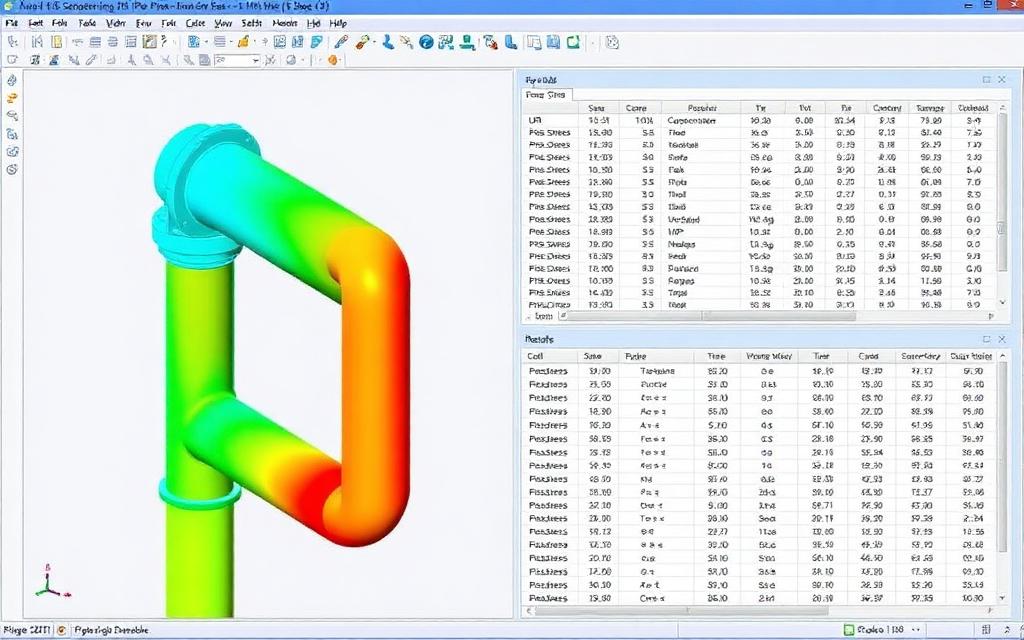
Look at displaced shapes and support reactions before code-check ratios. If the deflected shape doesn't make physical sense, the ratios won't either.
- Plot thermal displacements and compare against expected growth
- Review the largest support loads with the structural team
- Check nozzle loads against vendor allowables, not just code stress
A good stress model earns trust through boundary conditions and load cases, not through a green results table.
Working on something like this?
Talk it through with an engineer — no sales script.