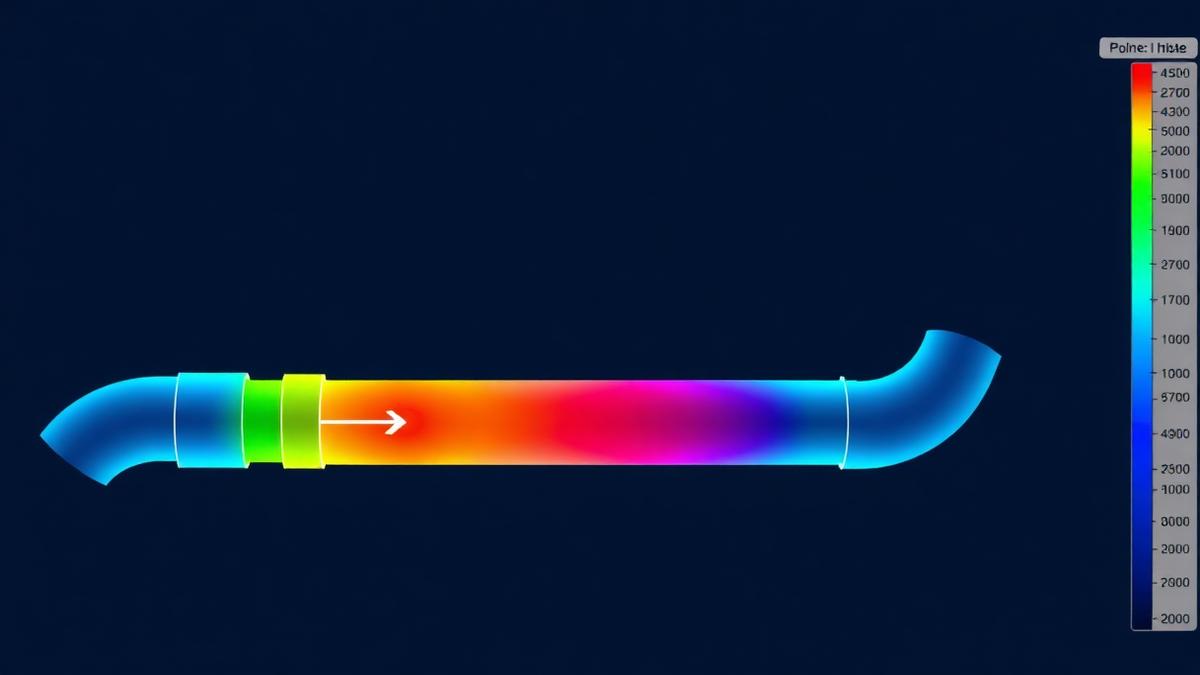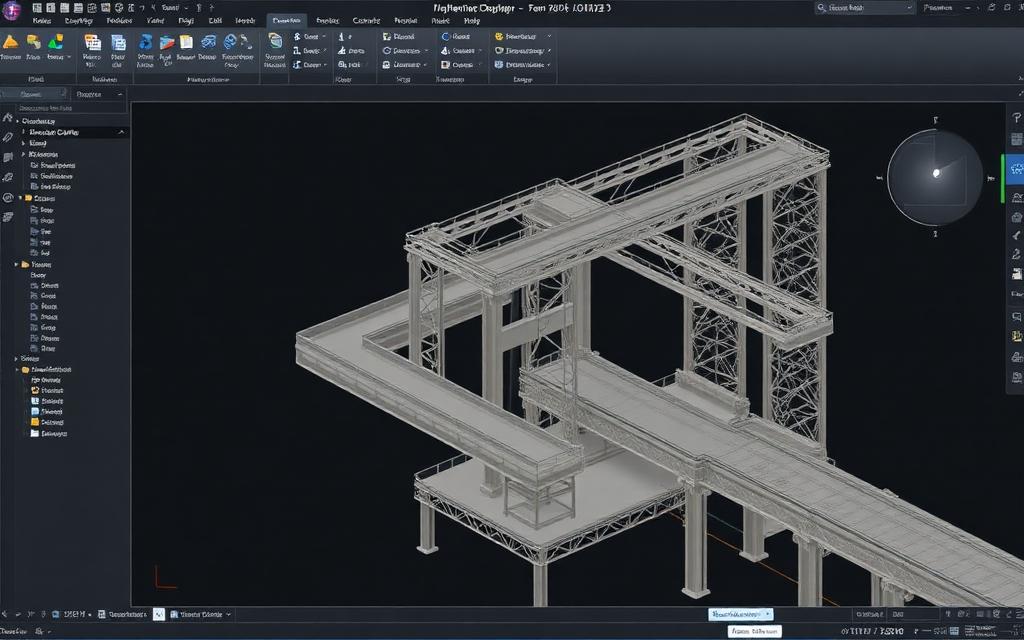
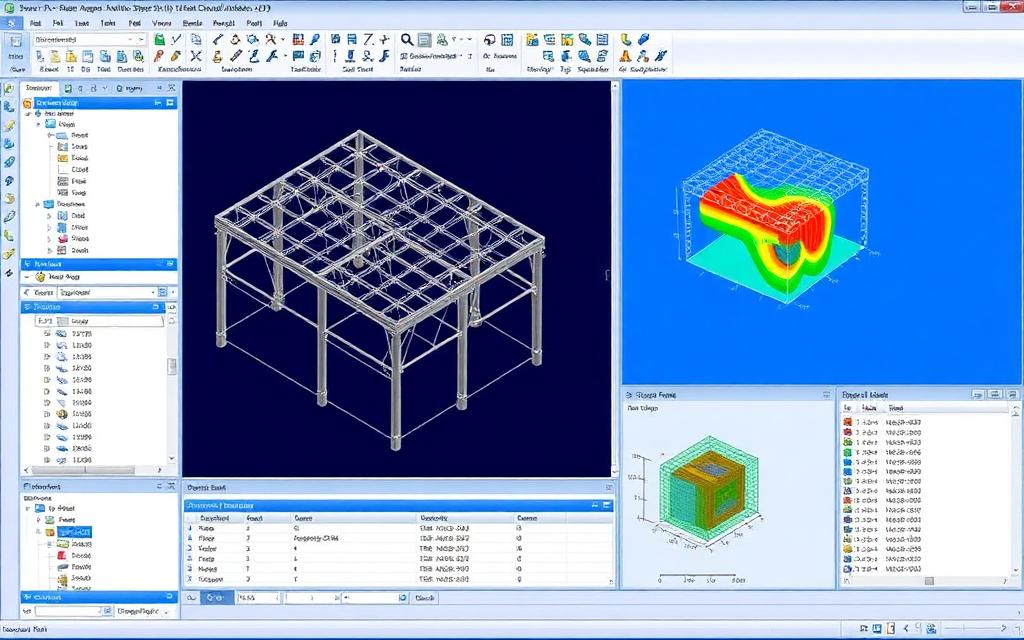
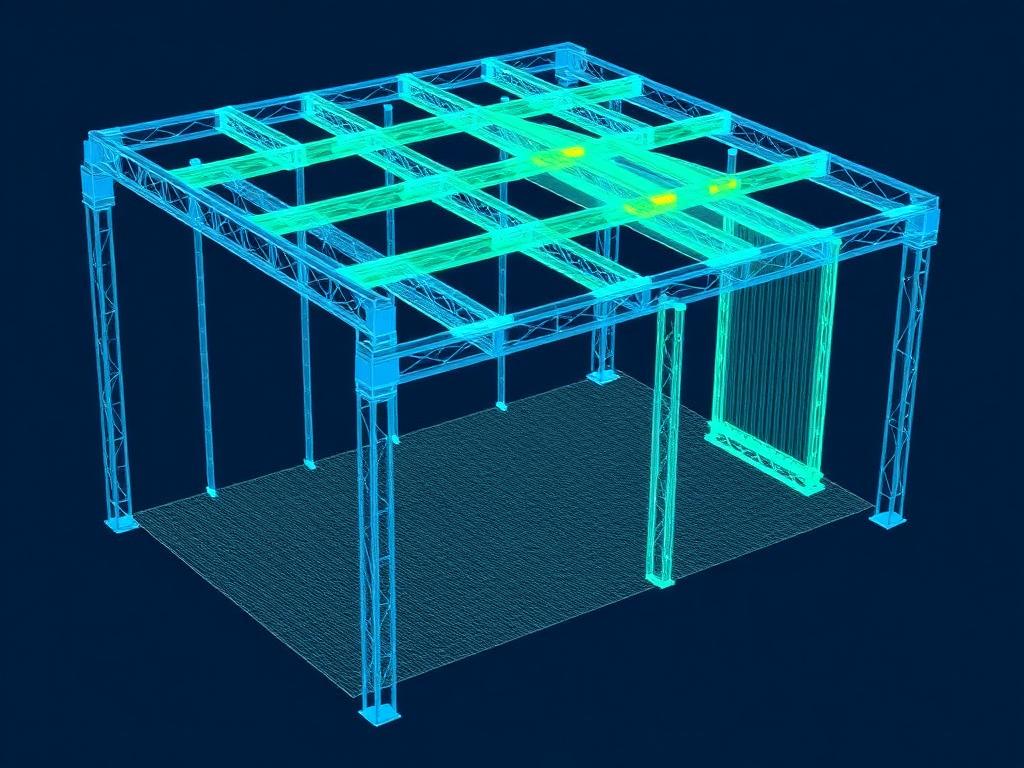
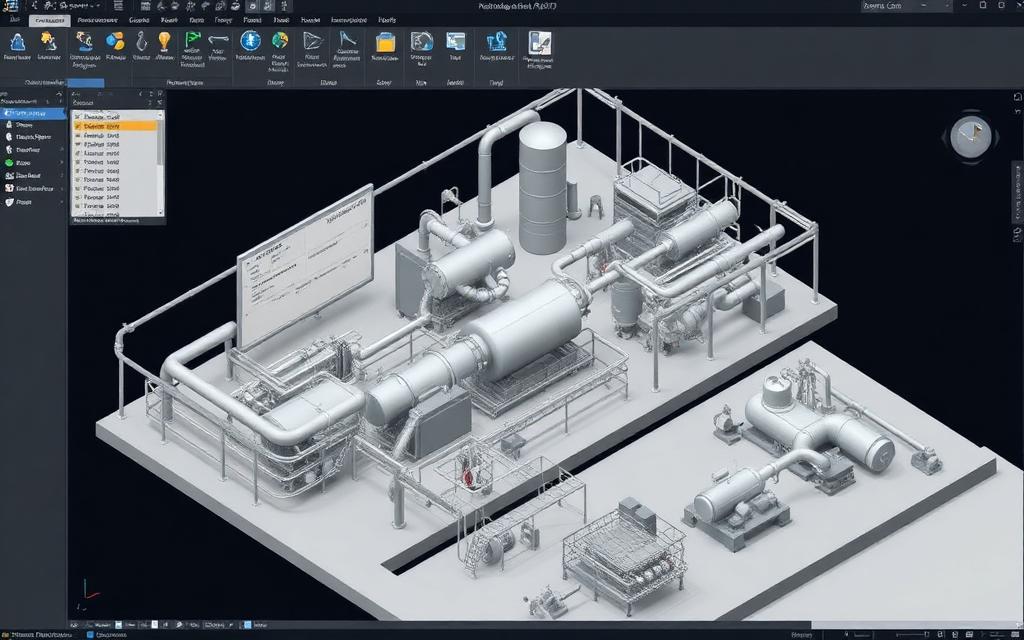
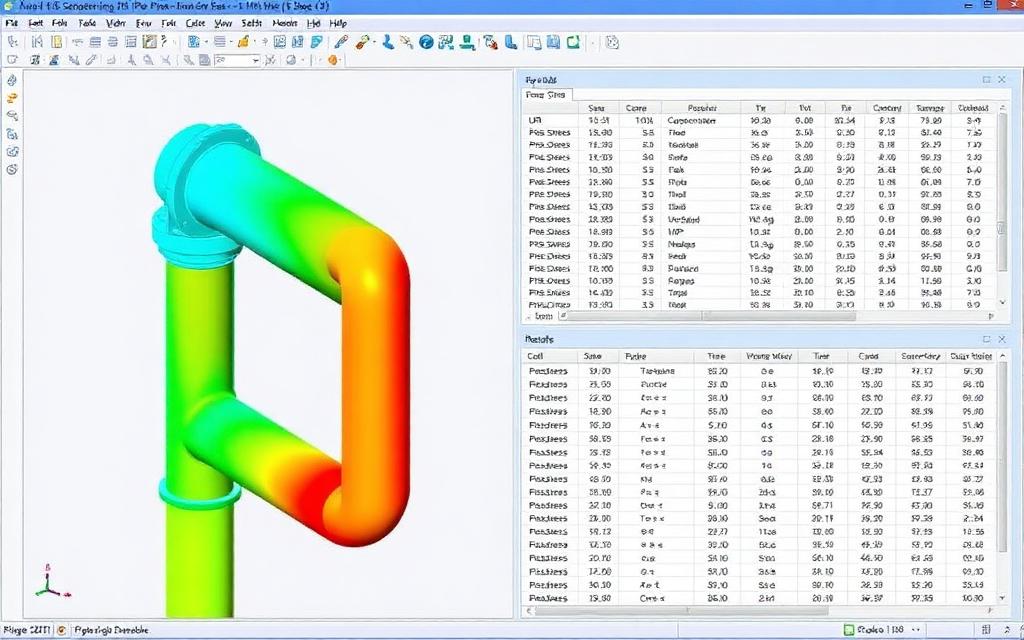
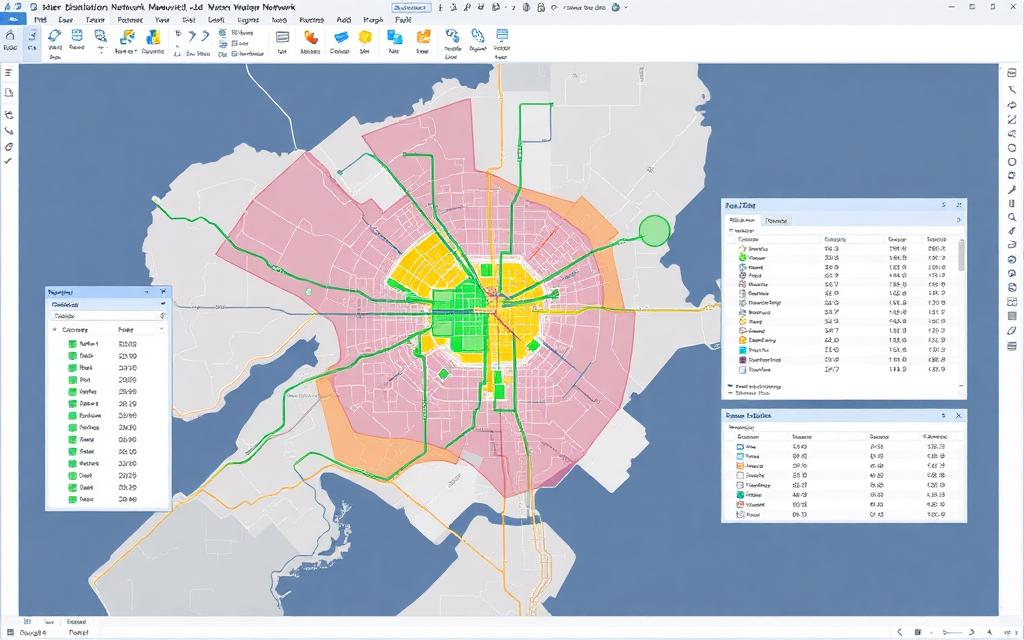
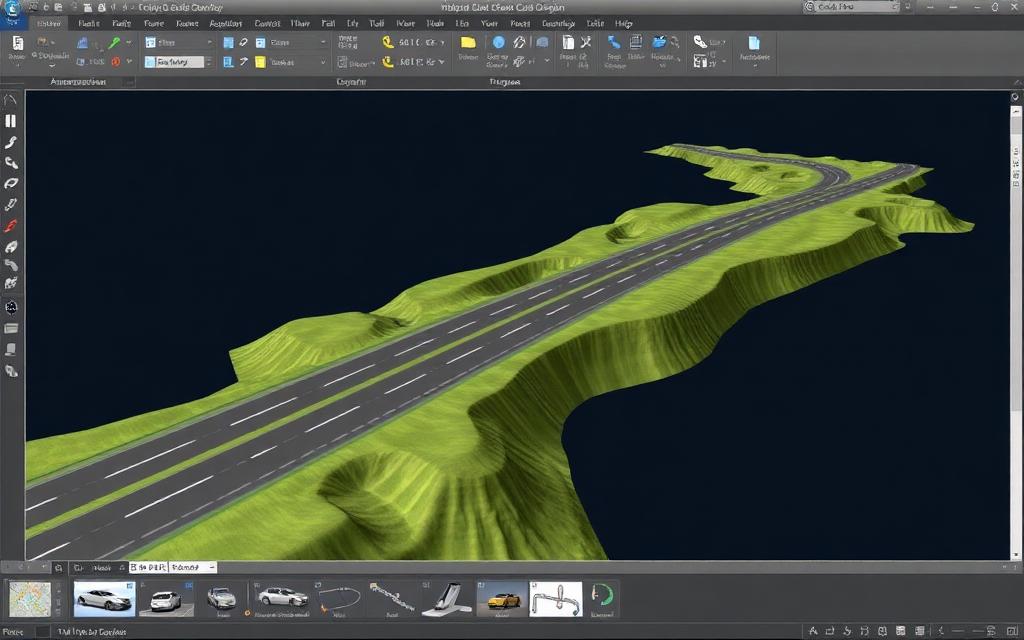
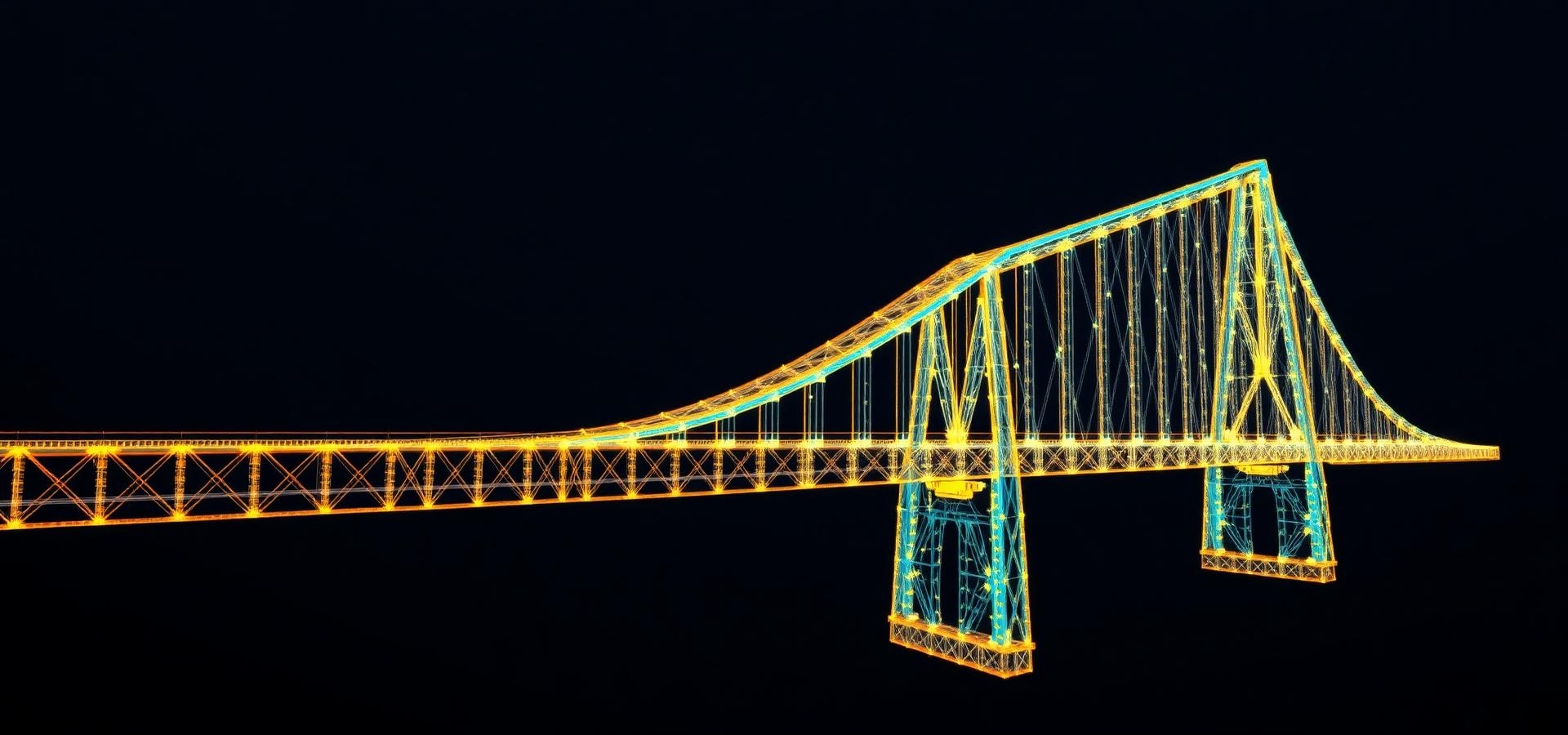
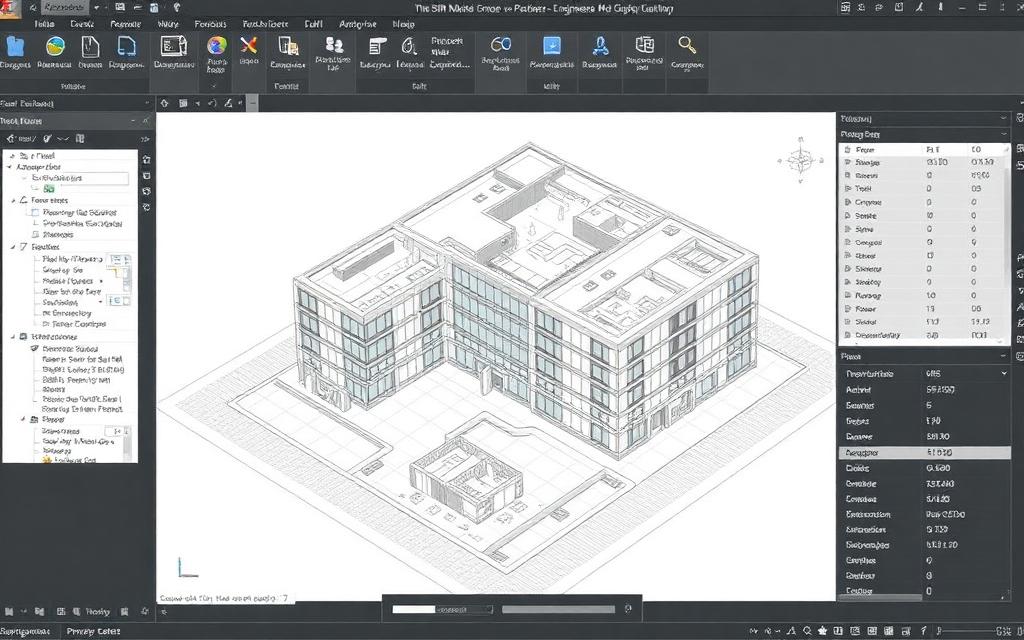
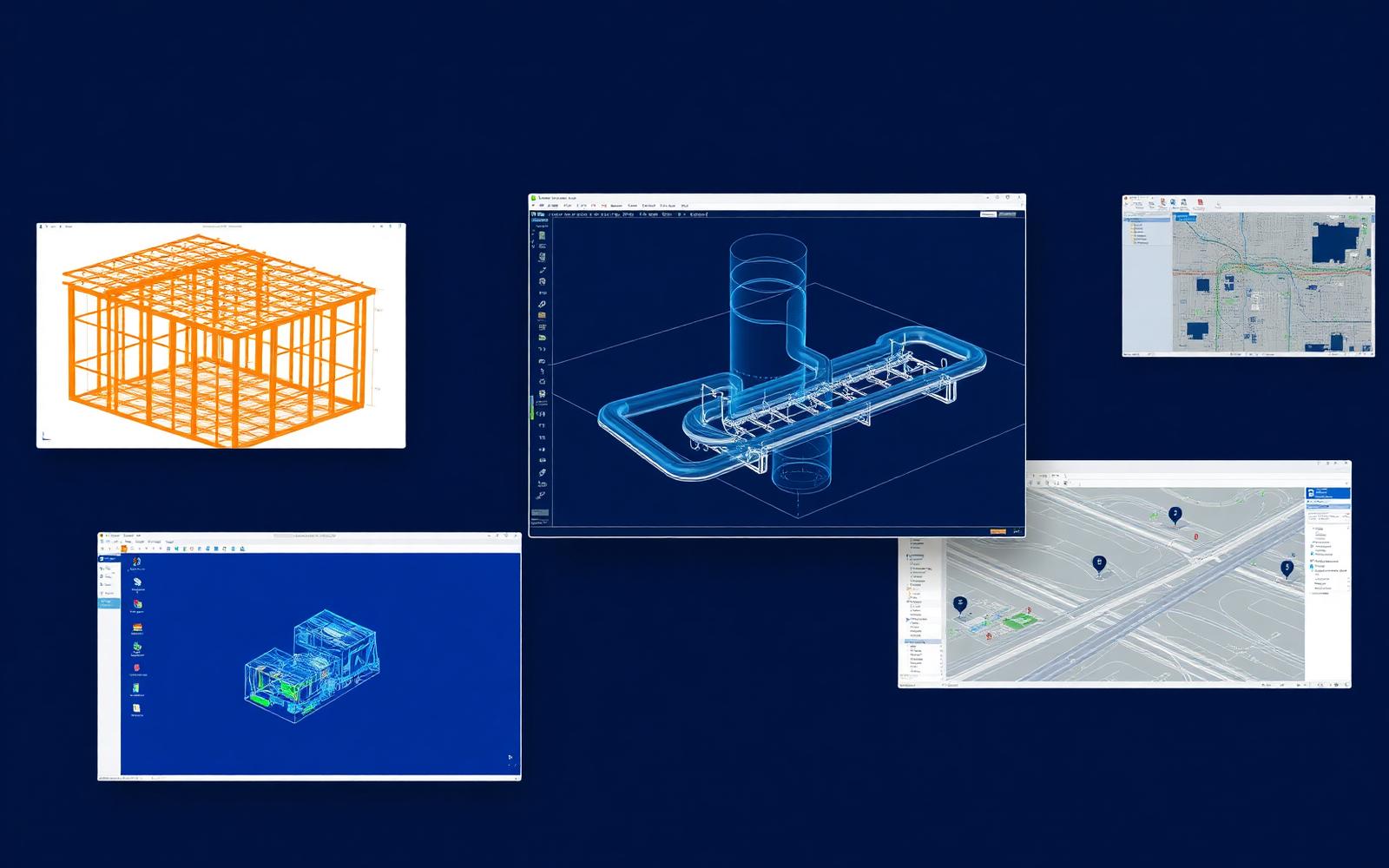
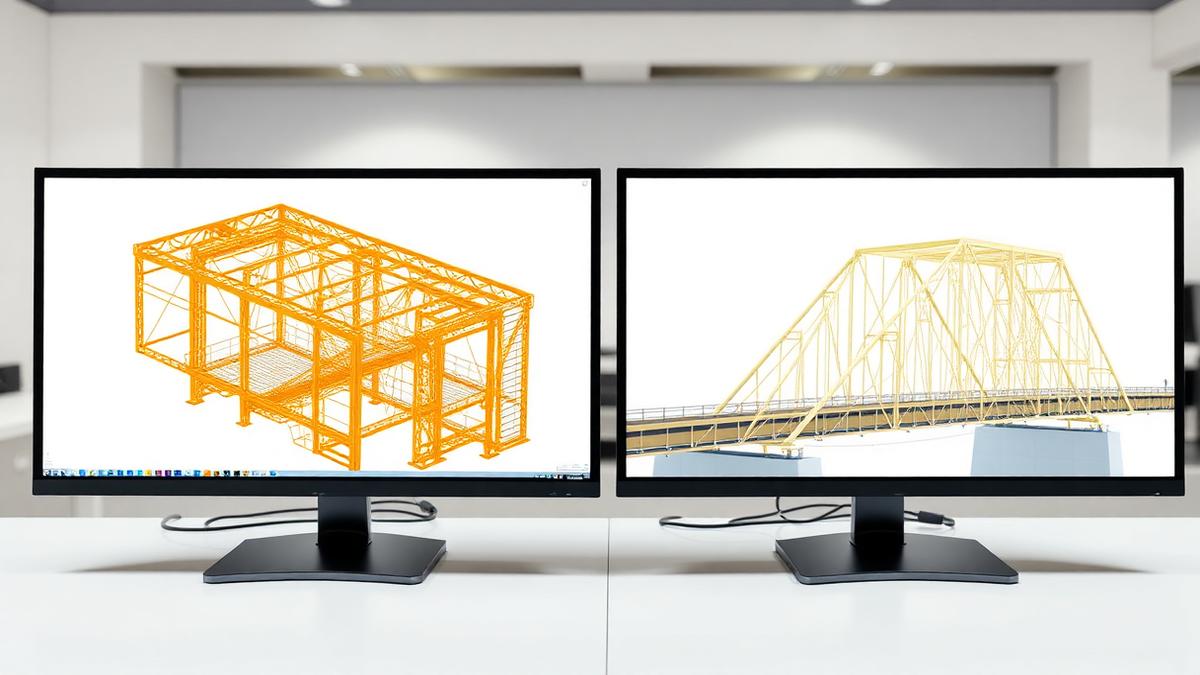

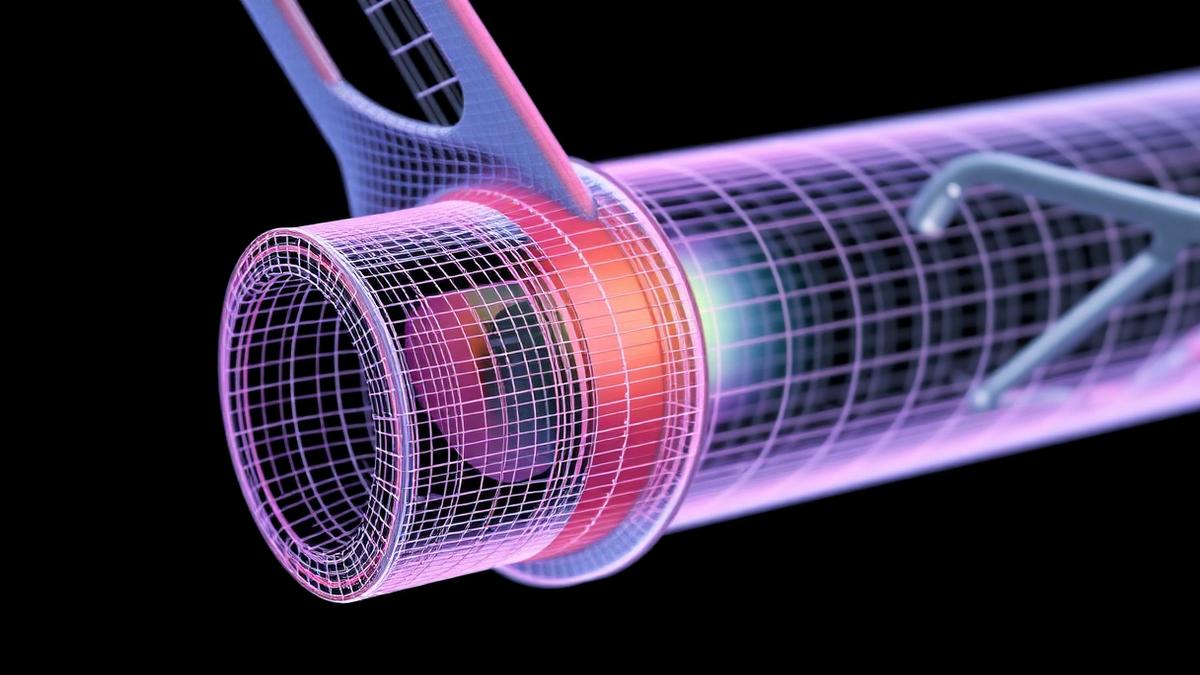
For infrastructure owners, a digital twin is useful when it connects an engineering representation of an asset to current information about how that asset is behaving, so decisions can be made against both.
It isn't just a 3D model
A detailed model is a starting point. Without links to condition data, inspection results or operating information, it describes how the asset was designed rather than how it is today.
It isn't just a dashboard
Sensor dashboards show what is happening. Without engineering context — geometry, load paths, design limits — they rarely explain why, or what to do next.
Where to start
Start from the decision you want to improve, then work back to the data it needs.
- Pick one recurring decision (inspection scope, maintenance timing, capacity)
- Identify the model, data and analysis that decision depends on
- Connect only those first, and prove value before expanding
A twin is defined by the decisions it supports, not by how much it looks like the real thing.
Working on something like this?
Talk it through with an engineer — no sales script.