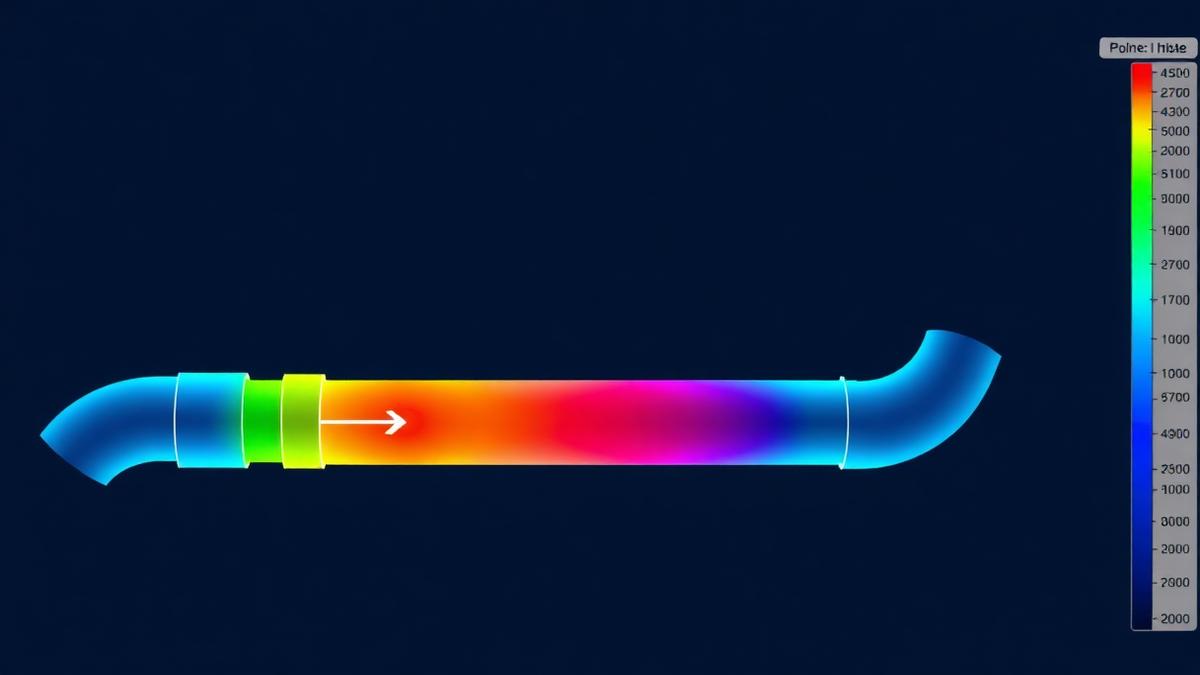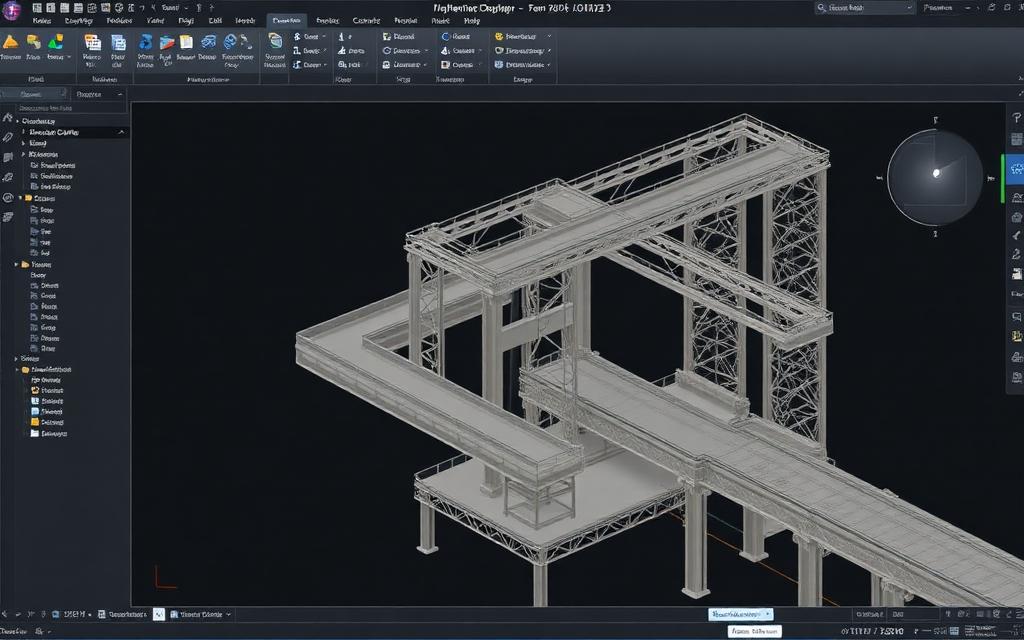
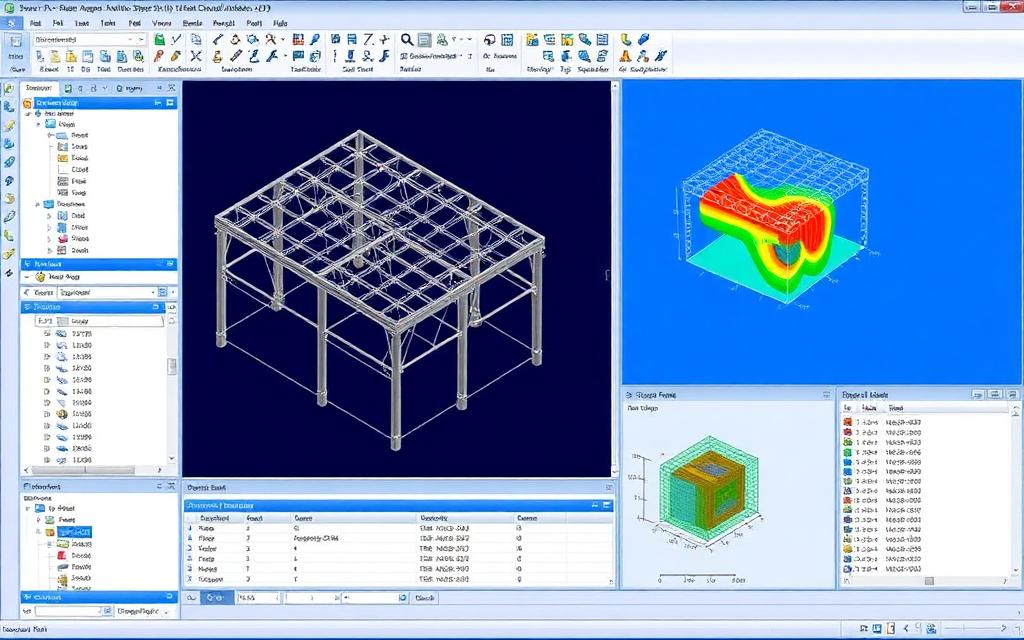
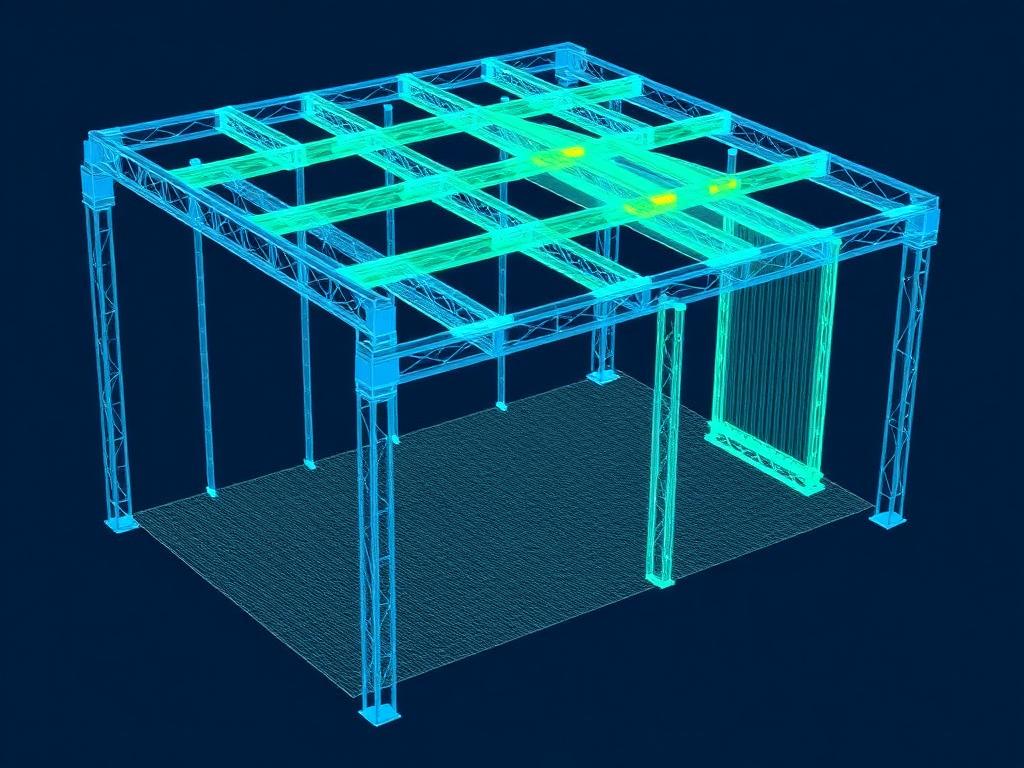















Fitness-for-service assessments evaluate whether equipment with damage or flaws can keep operating safely. The quality of the answer tracks the quality of the information behind it.
What to have ready
The more of this is available at the start, the less conservative the assumptions need to be.
- Design data: drawings, specifications, design codes and conditions
- Operating history: pressures, temperatures, cycles and upsets
- Inspection data: thickness readings, flaw sizing and locations
- Material information and any repair history
Agree the question up front
Is the goal to continue operating until the next turnaround, to set a reduced operating envelope, or to plan a repair? Framing the decision shapes the assessment level and the inspection needed to support it.
Clear inputs and a clear decision make for a shorter, more useful assessment.
Working on something like this?
Talk it through with an engineer — no sales script.